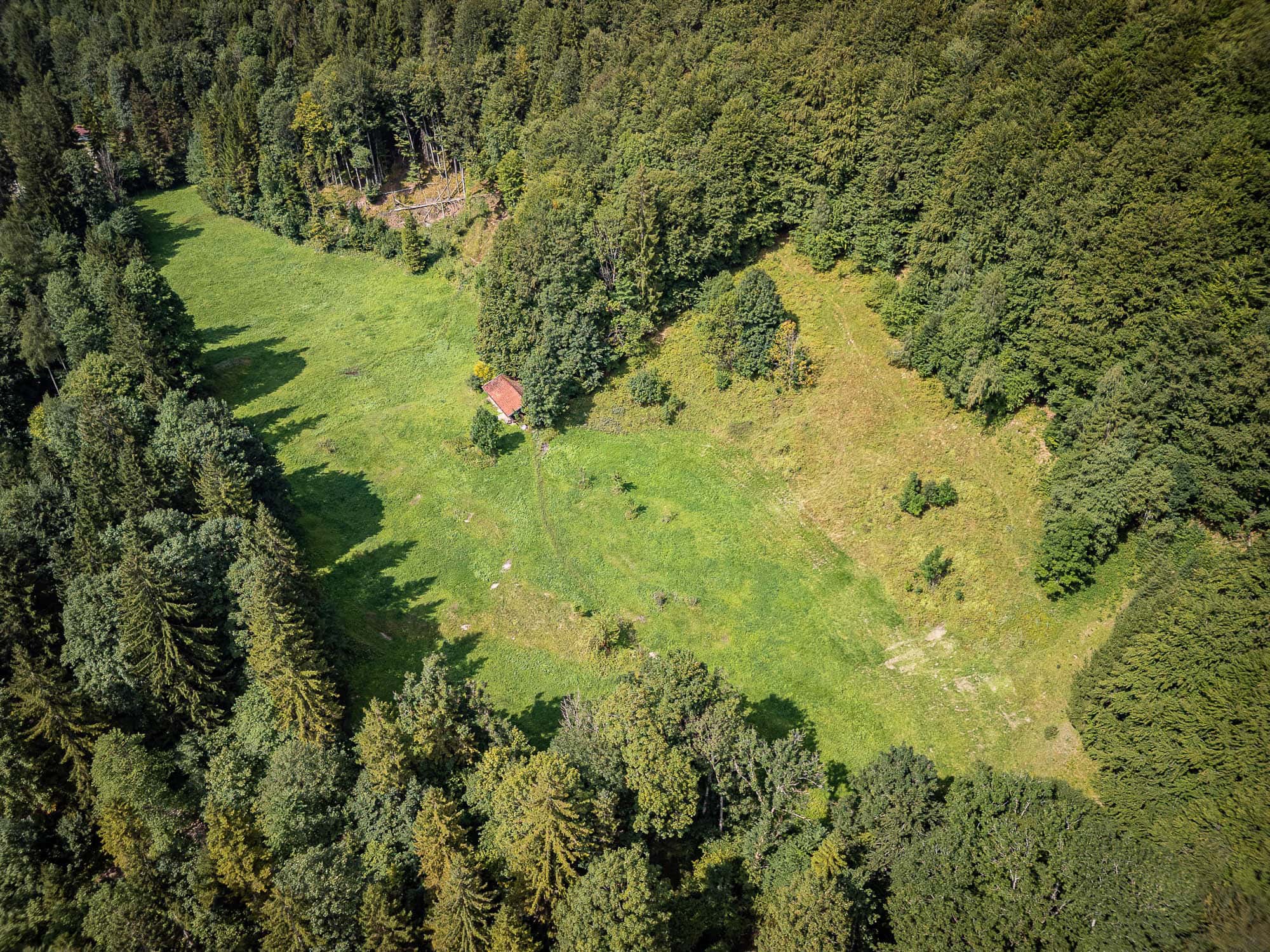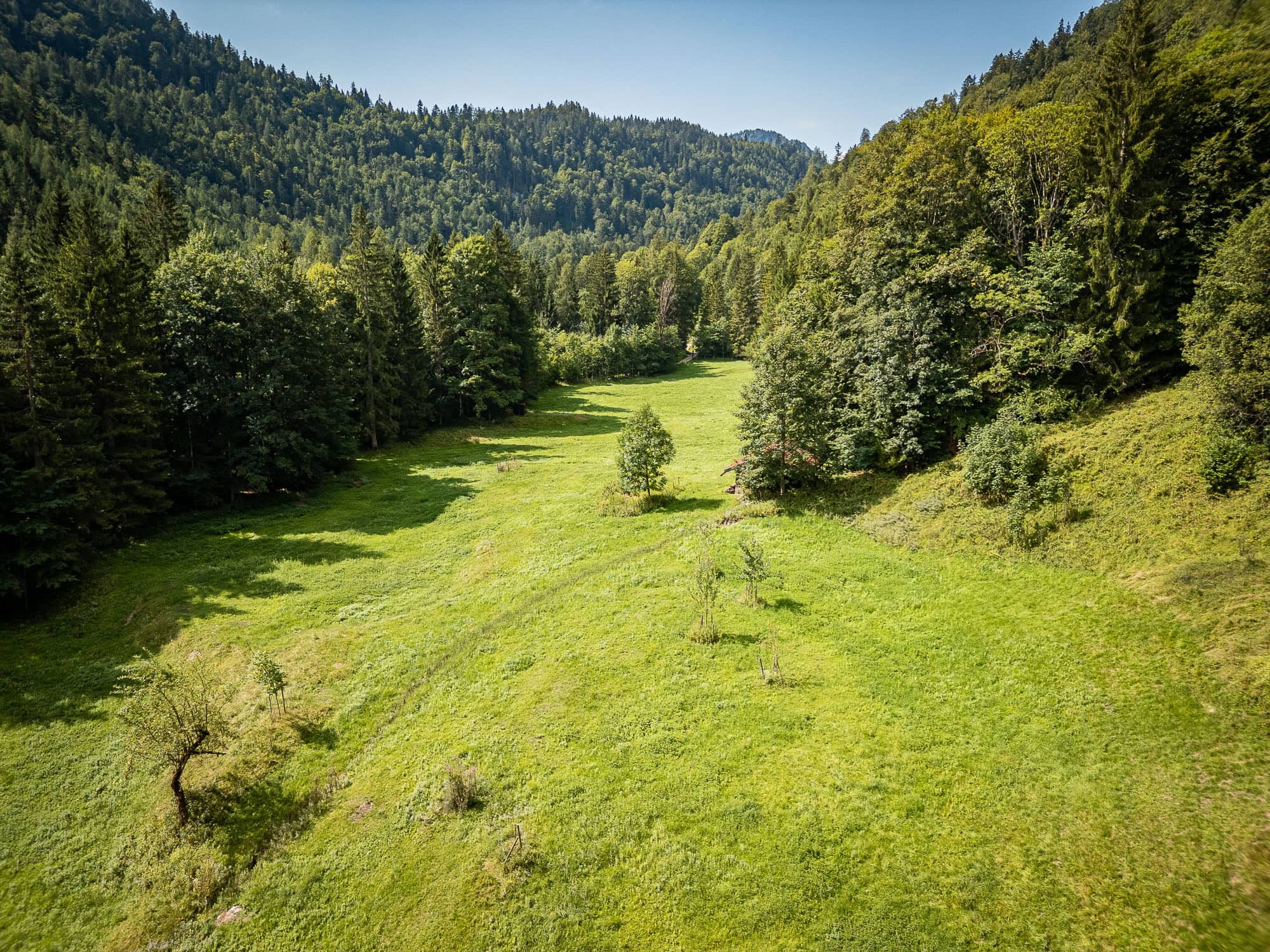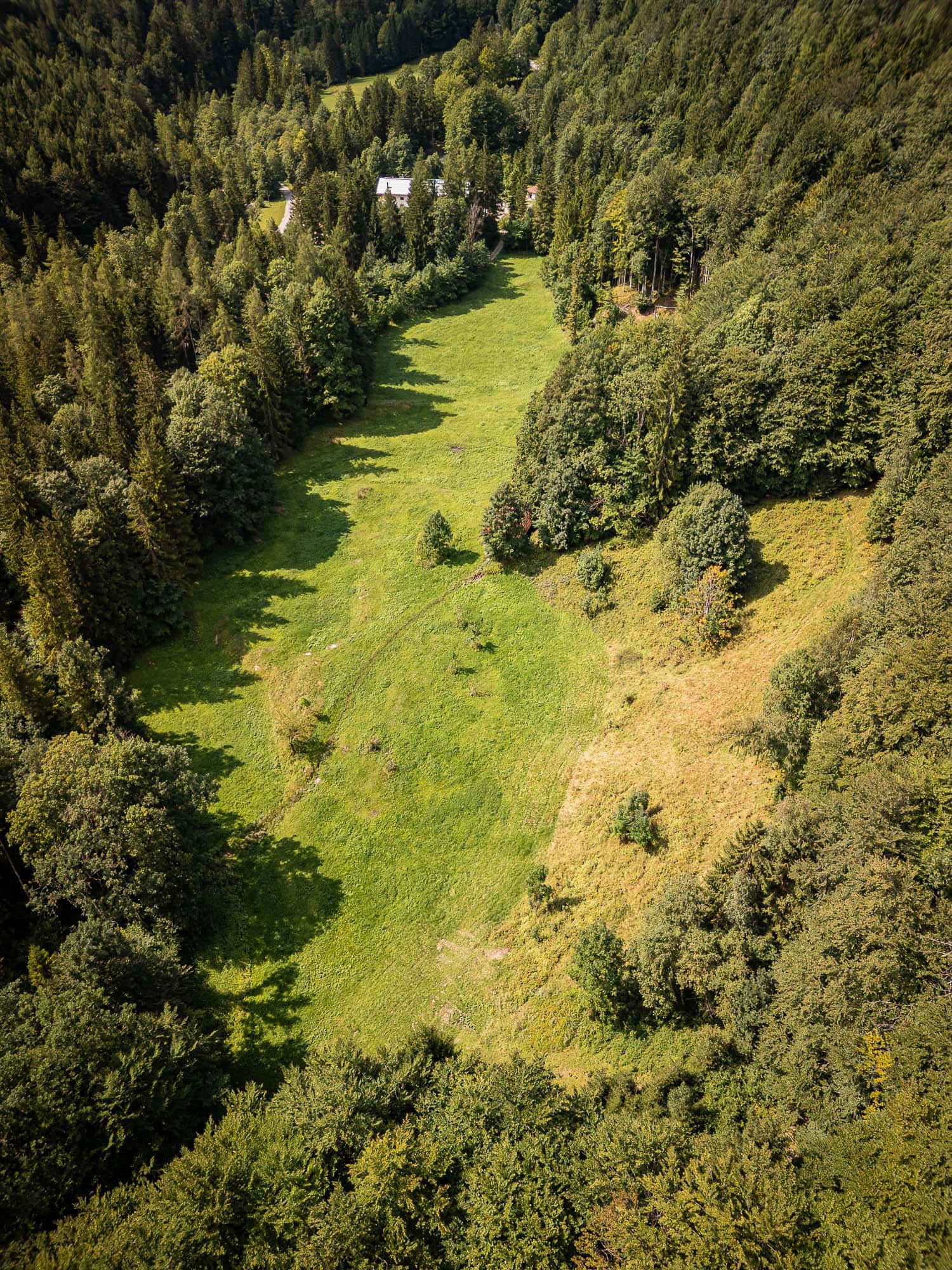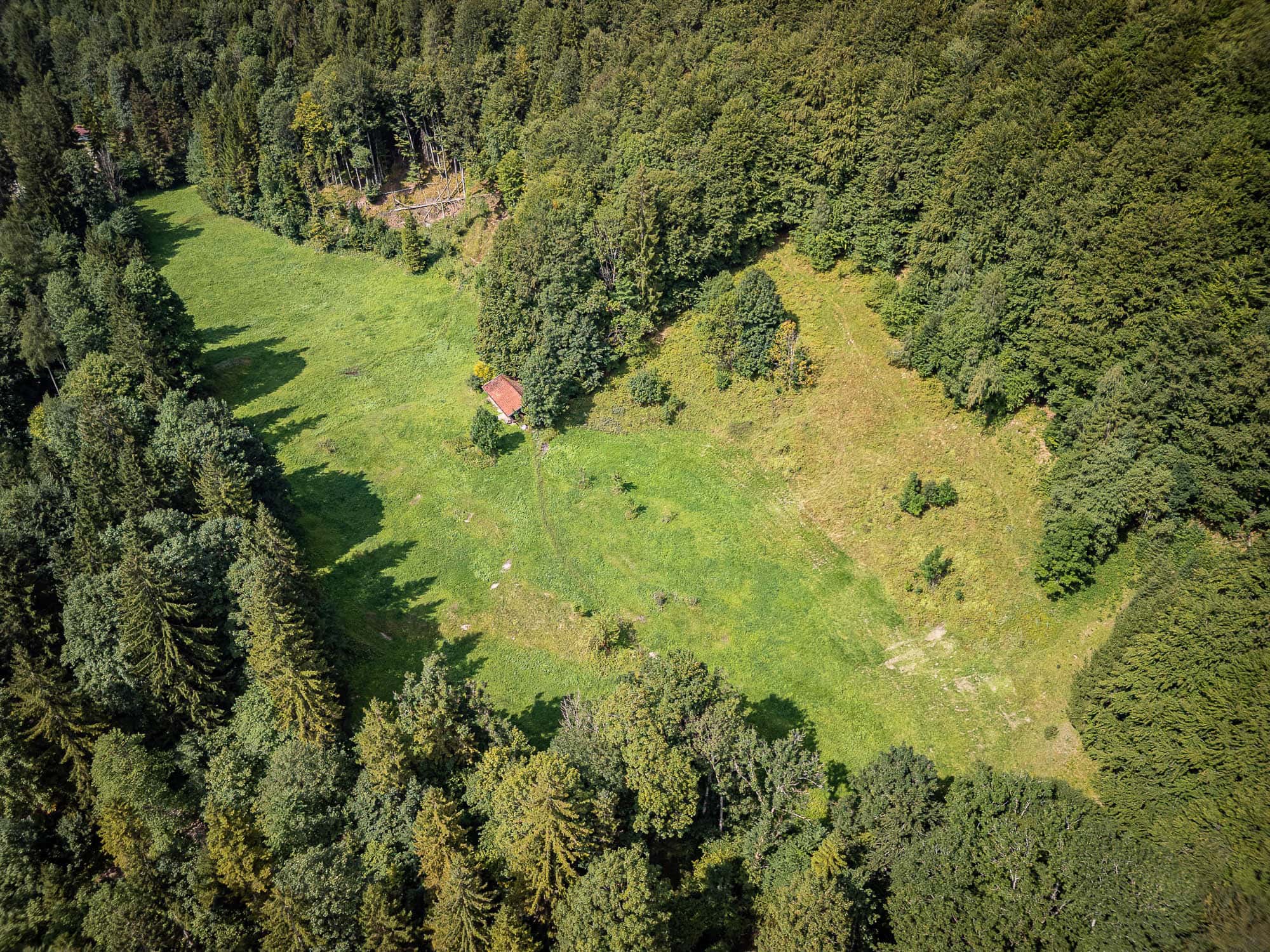

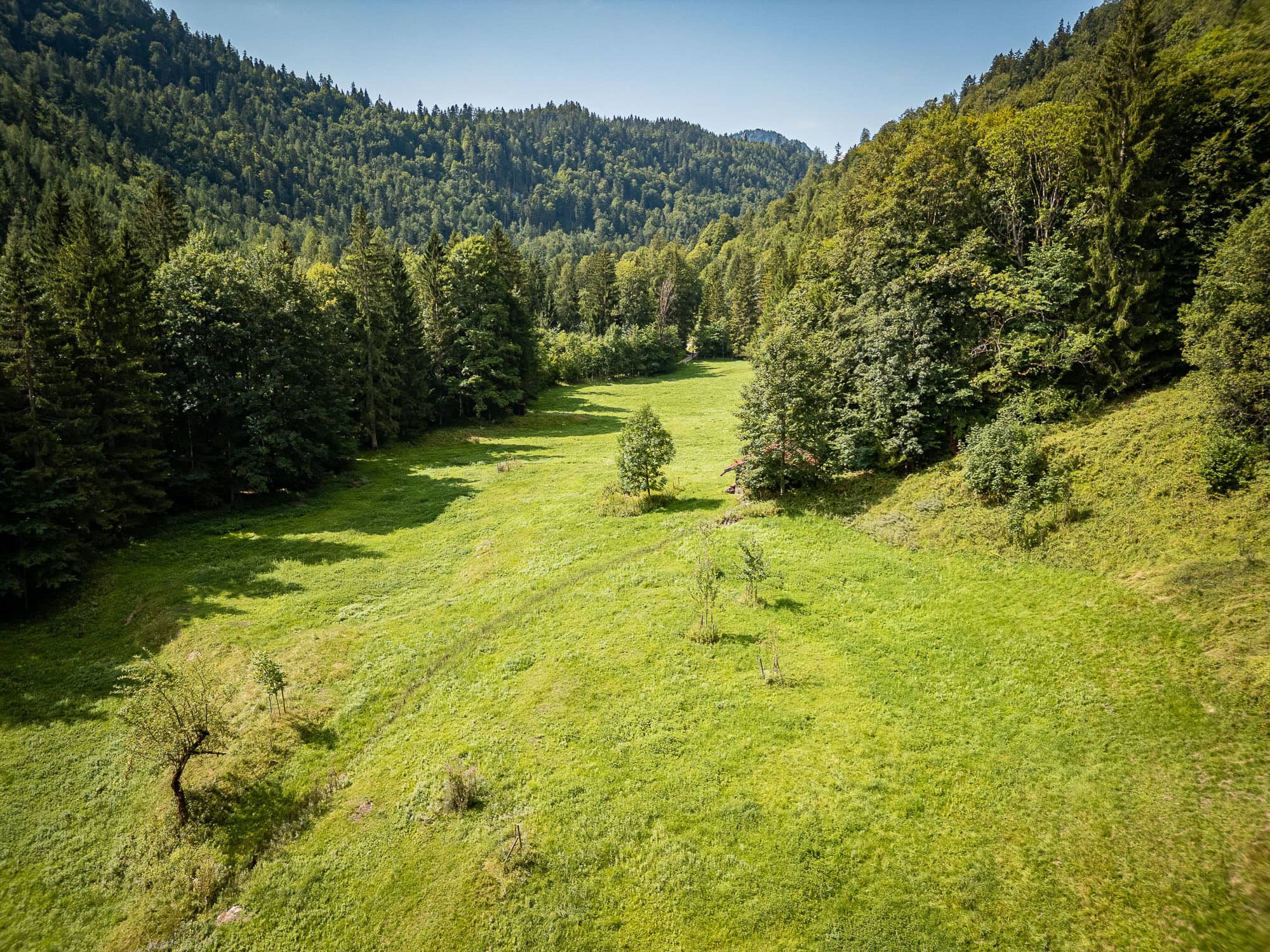
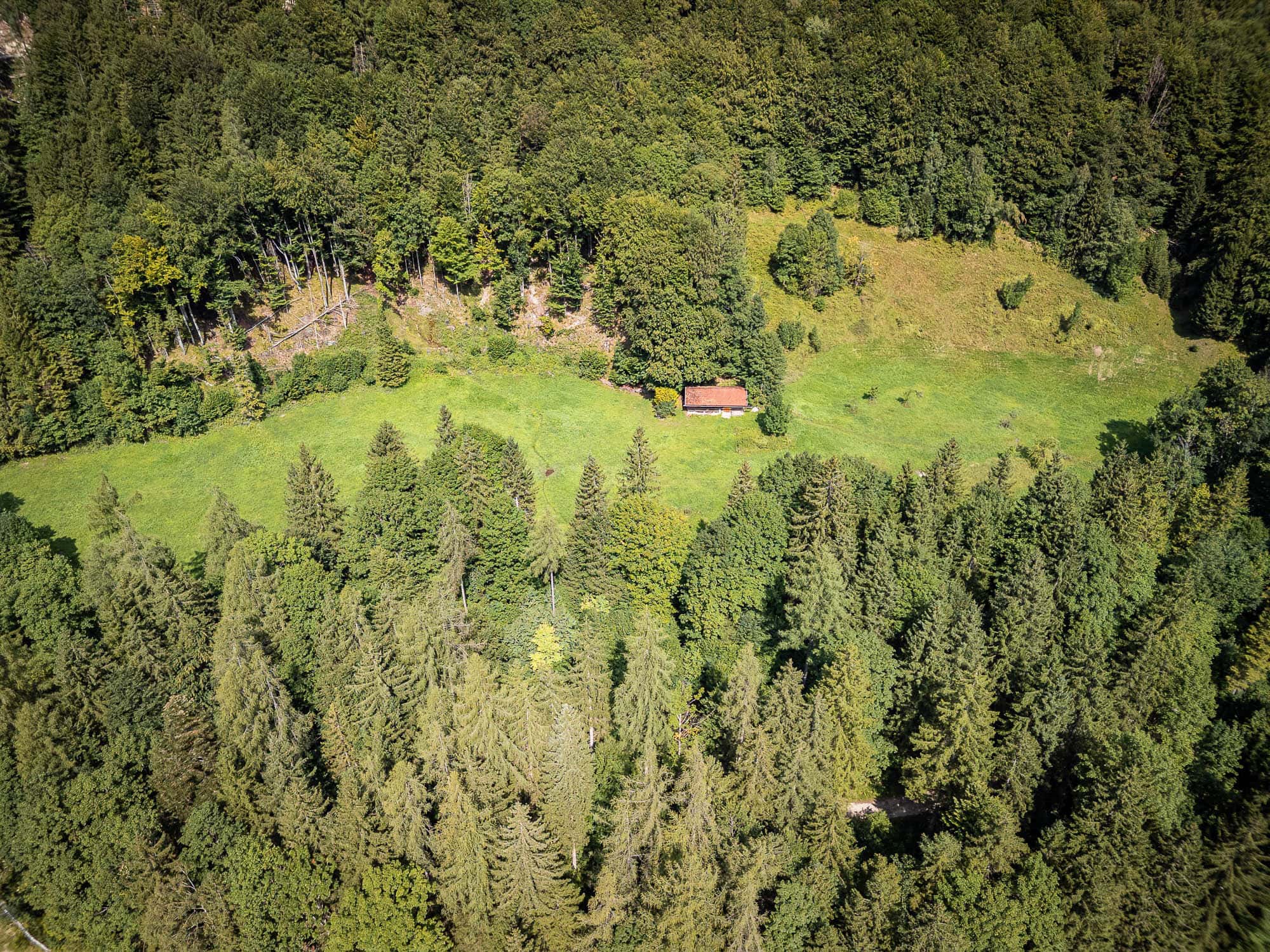
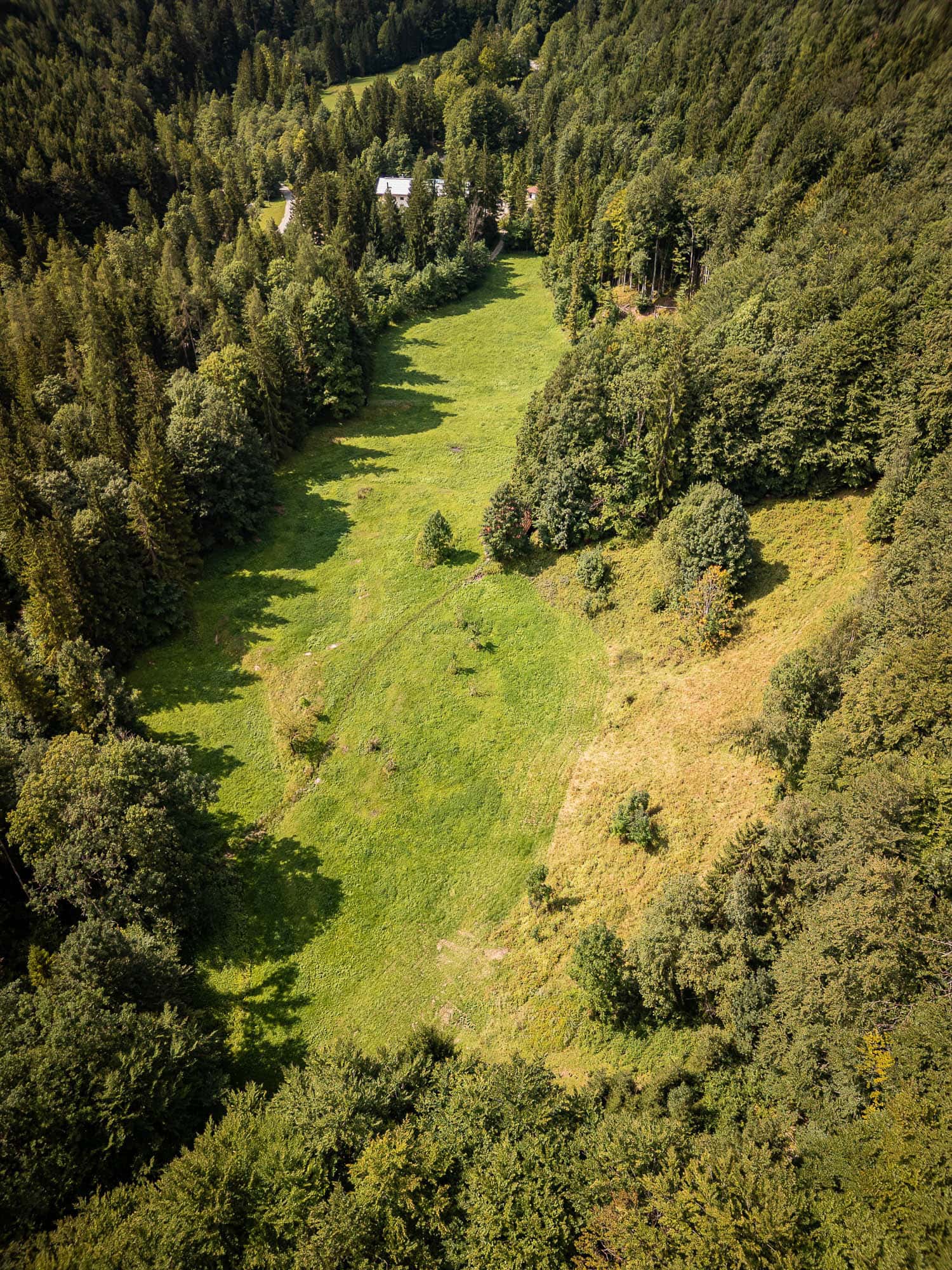
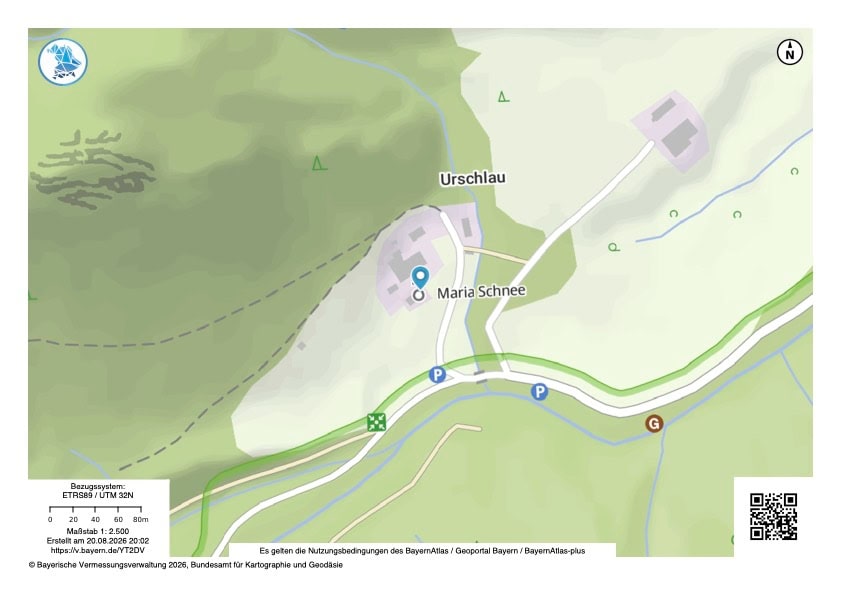


At the heart of this offer is the approximately 29,000 m² property, which is managed as agricultural land or an alpine pasture. Since the 1960s, the area has been officially registered as a so-called “Niederalm” and has been listed with the AELF as an independent agricultural operation since 2025. Farming on the property is supported under Eco-Regulation No. 6, which promotes biodiversity on alpine meadows.
As a result, the property already has an established agricultural use.
This opens up interesting prospects for a buyer with the appropriate agricultural background or potential preferential treatment. Similarly, subject to the applicable legal requirements, farming operations can be continued through the leasing of the land. It is crucial that the entire alpine pasture area be used permanently for agricultural or forestry purposes.
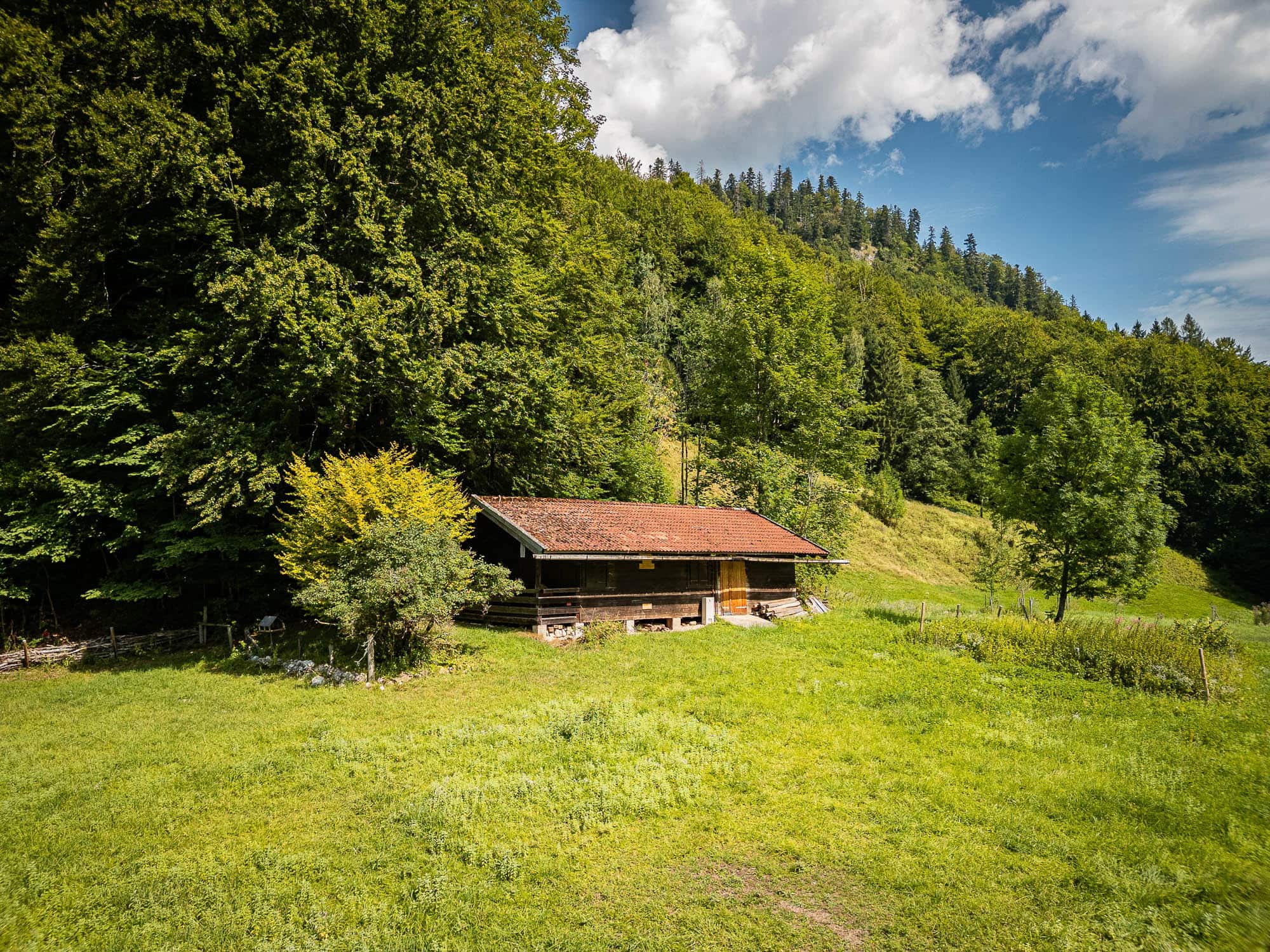
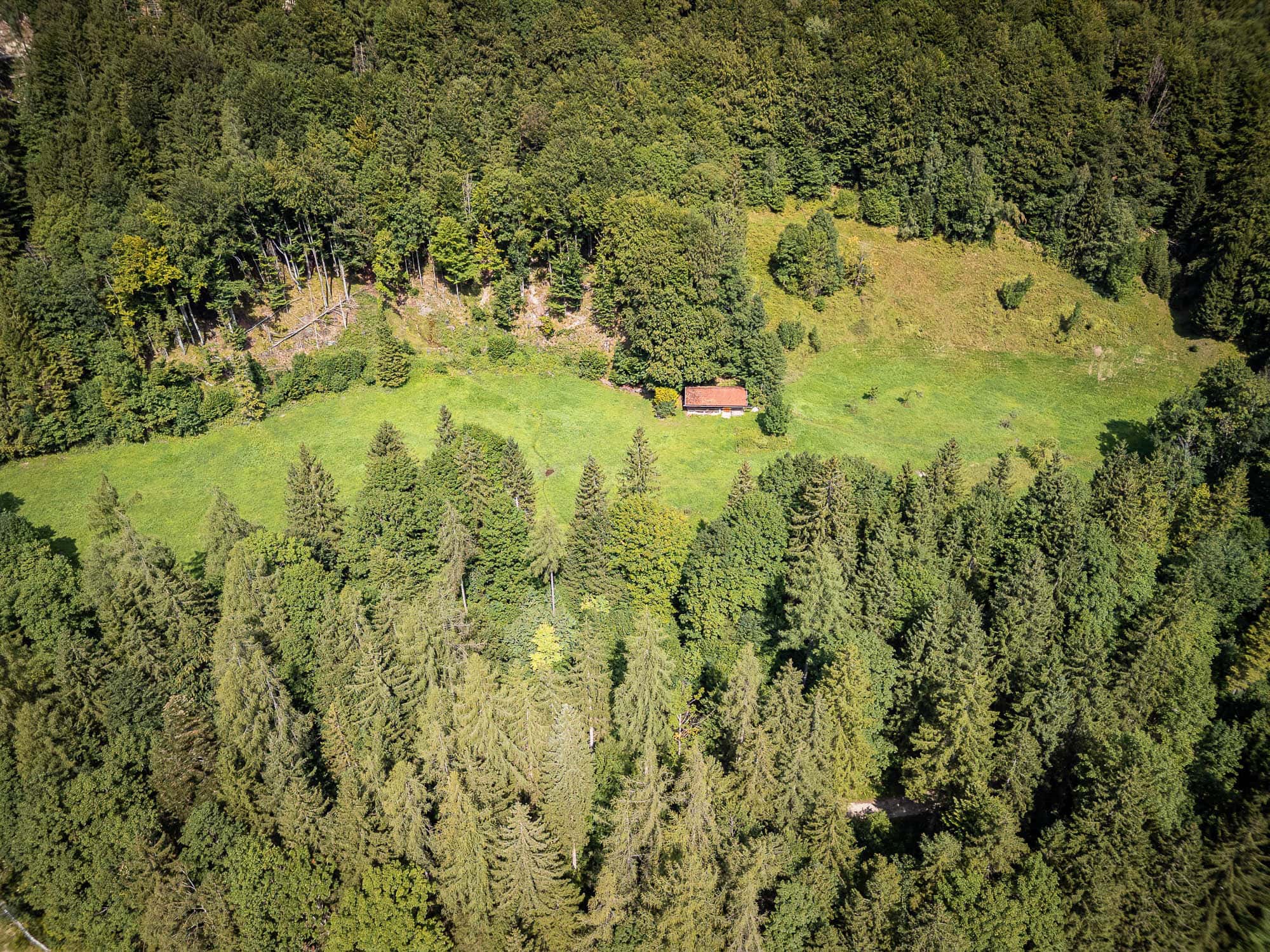
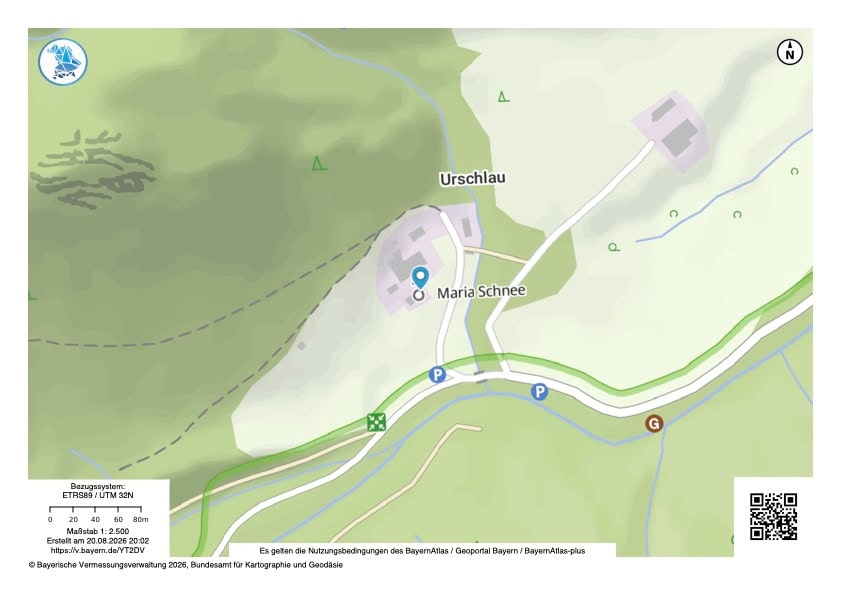
It is precisely this combination of size, contiguous land, existing agricultural use, and exceptional location that makes the property a rare find in the Ruhpolding basin, as many of the adjacent areas are protected nature reserves. The property also features a traditional alpine hut, which was built in the 1960s on behalf of the then-mayor of Ruhpolding, Josef Mayer, and subsequently remained in the family’s possession for several generations.
The hut is to be considered an integral part of the agriculturally oriented alpine property. There is no approved use as a residential or vacation property. It is not suitable for habitation; there is no official building permit for the existing structure. The traditional solid-wood cabin has exterior dimensions of approximately 6.5 × 12 meters and a floor area of about 78 m². Of this
approximately 30 m² corresponds to the former stable area and about 45 m² to the remaining cabin area.
The acquisition of the agricultural land is subject to the relevant legal provisions, in particular the review required under the Real Property Transactions Act.
This offer is therefore aimed in particular at farmers, buyers with agricultural priority rights, owners of adjacent or complementary land, as well as buyers with other priority rights (e.g., hunters, beekeepers, etc.) or enthusiasts and stewards of the Alpine cultural landscape who wish to make a long-term investment in an exceptional property in the Chiemgau region.